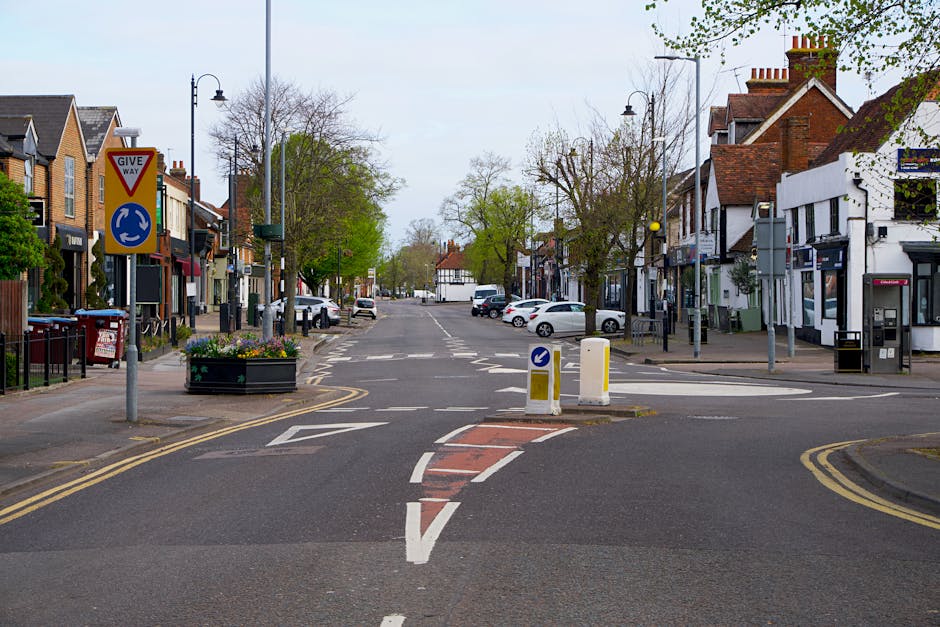
Woking town centre house removals Surrey best routes: a practical moving guide for smoother local house moves
If you are planning Woking town centre house removals Surrey best routes, you are probably dealing with the same mix of problems most people face: narrow streets, tight parking, busy junctions, and that slightly stressful question of how on earth the van is meant to get in, load up, and get out without creating a scene. To be fair, that is exactly where a good route plan makes all the difference. The right approach can save time, reduce handling, protect your furniture, and make moving day feel a lot less chaotic.
This guide walks through the routes, timing, access issues, packing decisions, and practical checks that matter most in and around Woking town centre. It is written for real moves, not theoretical ones. Whether you are shifting from a flat near the station, a family house on a busier road, or a town-centre property with awkward access, you will find clear steps you can actually use.
And yes, the route matters more than many people expect. One wrong turning or one poorly timed arrival in the wrong part of town can turn a straightforward move into a stop-start headache. Let's make it simpler.
Why Woking town centre house removals Surrey best routes Matters
Woking town centre is a place where practical logistics matter. Roads can be busy at the wrong time of day, access can be tight, and a property that looks easy on paper may be awkward in person. If your van arrives via the wrong route, or at the wrong hour, you can end up waiting for a loading space, carrying boxes further than planned, or doing a slow and tiring shuffle between the front door and the kerb.
That is why route choice is not just about navigation. It affects the whole moving day. A well-chosen route can help you:
- avoid the worst congestion windows
- reduce time spent idling in traffic
- plan loading near the property with less stress
- protect fragile items by limiting unnecessary handling
- coordinate better with neighbours, building managers, or parking restrictions
There is also a customer-side benefit that people sometimes forget: better route planning makes the move feel calmer. When the van is on time and the team knows where they are going, you stop worrying about the tiny things and focus on the bigger picture, like checking rooms and making sure the kettle is easy to find. Small mercy, that.
If you are preparing a broader home move, the house removals Surrey page is a useful starting point for understanding the service side of things. And if you want a clearer sense of the company behind the move, the about us page gives helpful background.
How Woking town centre house removals Surrey best routes Works
In practice, a town-centre move usually follows a simple pattern: plan access, confirm timings, choose the least disruptive route, load carefully, then exit without blocking traffic or creating a bottleneck. The details vary from property to property, but the logic stays the same.
The best routes are not always the shortest routes. That sounds obvious, but in removals it really matters. A slightly longer road with easier turning space, clearer approach lanes, or fewer hold-ups can be far better than a direct cut-through that saves two minutes on a map and costs you twenty in real life.
For Woking town centre, route planning typically involves:
- Checking access near both properties - especially one-way systems, loading restrictions, and road width.
- Choosing a sensible arrival window - often outside peak commuter pressure where possible.
- Matching van size to the route - not every street suits a large removal van.
- Planning the walking distance - from van to front door, and from front door to van.
- Preparing for last-minute changes - because, honestly, something nearly always shifts on moving day.
A good mover will usually think in terms of "what will make loading easiest?" rather than "what looks shortest on a sat-nav". That distinction sounds small, but it is where a lot of removals either run smoothly or become a bit of a faff.
For those using a smaller vehicle or needing a more flexible approach, man with van Woking can be a practical option, while removal van Surrey is a useful reference if the job needs more capacity. If the move involves fewer items, man and van Surrey may fit the brief.
Key Benefits and Practical Advantages
Choosing the best route for a Woking town centre house move is not just about convenience. It affects cost, safety, and confidence. The gains are easy to miss until you compare them with a badly planned move.
Here is what you gain when route planning is done properly:
- Less waiting time: fewer delays caused by traffic pinch points or unsuitable access.
- Lower physical strain: less carrying from awkward parking spots means less fatigue.
- Better item protection: fewer handovers and shorter carry distances reduce knock risk.
- Improved punctuality: the removal team can keep the schedule more reliably.
- Cleaner coordination: it is easier to line up keys, parking, lift access, and arrival windows.
There is also a commercial advantage if you are comparing providers. A company that understands local route planning will usually ask better questions upfront. That is a good sign. It suggests they are thinking about the practicalities, not just the invoice.
Expert summary: In town-centre removals, the best route is usually the one that minimises friction, not mileage. A calm loading area and predictable access often matter more than shaving a few hundred metres off the journey.
For bulky items such as wardrobes, beds, and dining tables, local planning becomes even more valuable. If your move includes heavier furniture, look at furniture removals Surrey. For delicate or high-value items, such as an upright or digital piano, it is sensible to review piano removals Surrey before you settle the plan.
Who This Is For and When It Makes Sense
This guide is for anyone moving a house, flat, or substantial household load in or around Woking town centre and wanting the move to be sensible rather than stressful. It is especially useful if your property has one of the following features:
- limited on-street parking
- shared access or communal entrances
- busy surrounding roads during commuting hours
- tight turning space for larger vans
- stairs, lifts, or awkward internal layouts
- a deadline linked to keys, completion, or tenancy handover
It also makes sense if you are moving on a weekday morning, a Friday afternoon, or at a time when the town feels particularly active. Around those periods, even a short journey can feel oddly long. You notice every red light, every wait at a junction, every van stopping where you hoped to stop.
If you are a tenant leaving a flat near the centre, you may want to compare the guidance here with flat removals Surrey. Students and younger movers should also note the dedicated support in student removals Guildford, which can be useful if your move is smaller but still time-sensitive.
Some readers will also be managing storage, not just transport. If that sounds familiar, storage Surrey can be part of a phased move where you do not want everything arriving on the same day. That happens more often than people admit.
Step-by-Step Guidance
Below is a practical way to approach Woking town centre removals without overcomplicating things. You do not need a giant checklist taped to the fridge. You do need a sequence that keeps decisions simple.
1) Map the access at both ends
Start with the obvious: where will the van stop, and how far is that from the front door? Check whether you need a permit, a loading bay, or just a sensible arrival time. If you can, stand outside the property and imagine the route from pavement to hallway. It sounds basic, but it exposes problems quickly.
2) Choose the loading vehicle with the route in mind
A bigger van is not always better. On a congested town-centre street, a smaller or more flexible vehicle can be easier to position. If the route includes narrow turns or restricted access, make sure the moving vehicle suits the street, not the other way around. The best move is the one that does not force anyone into improvised reversing under pressure. Never ideal.
3) Work backwards from your key time
If you have a handover, completion, or booking deadline, work backwards from that point. Allow for loading, travel, and a little buffer for the unexpected. In removals, the unexpected is basically a regular guest.
4) Pack for the route, not just the room
Think about the order of loading. Heavy and awkward pieces should be easy to reach. Fragile boxes should not sit under the thing that always seems to shift when the van turns a corner. If you want a more structured packing approach, see packing and boxes Surrey and the page for packing and boxes GU1. They are helpful if you want your boxes to survive more than one day.
5) Keep the walk from van to home as short as possible
This is where route planning becomes physical reality. The same move can feel easy or exhausting depending on whether the van can park close by. A short walk matters for heavy furniture, but it also matters for small items because it reduces the number of trips. And the number of trips, well, that is where the day gets long.
6) Confirm the return route too
People often focus only on the arrival route. That is a mistake. The exit route matters just as much, because once the van is loaded you want a clean getaway without needing to turn around in an awkward place or sit behind a queue of town-centre traffic. A smooth exit can save the whole afternoon from drifting.
For moves that need speed rather than a full multi-day plan, same day removals Surrey may be the best fit. For a fuller view of the company's service range, the services overview page is a sensible companion read.
Expert Tips for Better Results
These are the small things that make a local move feel much smoother. Nothing glamorous. Just the stuff experienced movers tend to remember because they have seen what happens when people skip it.
- Move earlier than you think you need to. Even a 20-minute head start can reduce pressure.
- Use short labels on boxes. "Kitchen" is fine. "Kitchen, fragile, handle this one gently" is better if you are the one opening it at 9pm later.
- Keep one easy-access bag separate. Kettle, chargers, keys, medication, snacks. The essentials.
- Protect floors and corners. Town-centre houses often have narrow hallways, so scuff marks happen fast.
- Avoid peak congestion where you can. A route that works at 10am might be irritating at 5pm.
- Be realistic about parking distance. If the van cannot get close, adjust loading expectations early.
One practical point that often gets overlooked: if you know the move involves heavier household pieces, use the move to identify what you do not want to carry more than once. That old side table you have been meaning to sell? This is the moment to decide. Otherwise it becomes the thing everyone avoids until the end.
You can also build a more efficient move by reading up on the broader removal process through removal services Surrey or comparing providers via removal companies Surrey. If you prefer a more flexible, lighter-touch option, man with a van Surrey may be a better fit than a larger setup.
Common Mistakes to Avoid
Most moving problems are not dramatic. They are small, annoying, and cumulative. That is what makes them so painful. A missed parking plan, a box packed badly, a late arrival, a door that should have been measured but was not. One by one they feel manageable. Together, they make the day feel longer than it should.
- Relying only on sat-nav: Navigation apps help, but they do not understand your front step, parking bay, or loading bay.
- Booking too tight a time slot: Removals need breathing room.
- Ignoring item size: Large furniture and narrow entrances do not negotiate kindly.
- Not checking route restrictions: One-way systems and access rules can surprise you.
- Packing without a plan: Random boxes slow down loading and unpacking.
- Forgetting the weather: A wet morning in Surrey can make lifting and carrying more awkward than expected.
Another mistake is assuming every move needs the same solution. A studio flat near the centre, a family house on a busier road, and an office move are all different beasts. If your move also involves commercial equipment, look at office removals Surrey. The logistics are different, and pretending otherwise usually creates trouble.
Tools, Resources and Recommendations
You do not need a bag full of fancy equipment to move well. But a few simple tools and services can make a noticeable difference.
| Tool or resource | Why it helps | Best for |
|---|---|---|
| Strong boxes and tape | Keeps items secure and stackable | General household packing |
| Furniture blankets | Helps reduce scratches and knocks | Wardrobes, tables, fragile finishes |
| Trolley or sack truck | Speeds up heavier loading | Boxes, appliances, heavier items |
| Pre-labelled rooms | Makes unloading faster and less messy | Every move, honestly |
| Short moving checklist | Stops tasks being forgotten | Busy households and time-pressured moves |
If you want support with protective packing, the local packing pages are the practical next stop: packing and boxes Surrey and packing and boxes GU1. If you are planning a move that may need temporary holding space, storage Surrey can help you spread the load more sensibly.
It is also worth understanding how pricing is presented before you commit. The pricing and quotes page is useful if you want a clearer sense of what is typically included. And for reassurance on service standards and working practices, look at health and safety policy and insurance and safety.
Law, Compliance, Standards, or Best Practice
For a home removal, the main compliance issues are usually practical rather than legal in a dramatic sense. You are looking at parking rules, access arrangements, safe lifting, proper insurance, and fair treatment of property and neighbours. If the move is in a managed block or busy town-centre street, it is wise to confirm any building requirements or local restrictions well in advance.
Professional movers should be clear about their responsibilities, how they handle items, what happens if there is damage, and how complaints are handled if something goes wrong. It is just better business, really. You can review the company's approach through complaints procedure, payment and security, and terms and conditions.
Ethical and operational standards matter too. For readers who care about wider responsibility, the pages on recycling and sustainability and modern slavery statement show the sort of business transparency people often look for before booking.
Accessibility is another sensible consideration. If you or someone in the household has mobility concerns, or if the property layout creates barriers, then planning becomes even more important. The accessibility statement can help set expectations.
Options, Methods, or Comparison Table
There is no single right answer for every move. The best method depends on volume, access, urgency, and budget. Here is a simple comparison that may help.
| Option | Best for | Strengths | Trade-offs |
|---|---|---|---|
| Full house removals service | Larger households, family moves, complex access | More support, better coordination, easier for heavy items | Usually more planning required upfront |
| Man and van | Smaller households, partial loads, flexible scheduling | Flexible, often quicker to arrange | May need more self-packing and self-loading support |
| Removal van service | Mid-sized moves needing decent capacity | Good balance of space and practicality | Less flexible than a very small vehicle in tight streets |
| Storage-led move | Staged moves, delays between properties | Reduces pressure when dates do not align | Requires extra organisation |
If you are deciding between these options, the service mix on removals Surrey and removal services Surrey is a helpful place to compare the broader approach. Sometimes the right answer is not the biggest service, just the best-matched one.
Case Study or Real-World Example
Imagine a typical town-centre house move on a weekday morning. The property is easy enough to find, but the road is busy and parking near the door is limited. The owners have boxed the kitchen well, but the sofa is large, the hallway is narrow, and the van cannot sit directly outside for long.
Rather than pushing for the shortest route, the mover chooses a slightly longer approach road with easier turning space and a better place to stop for loading. The van arrives a touch earlier than the handover window, the team positions it quickly, and the heavier items are moved first while the street is quieter. No drama. No rush.
That little route decision changes the day. It means fewer stops, less carrying, less chance of bumping a wall on the way out, and a calmer finish overall. The owners can keep an eye on final room checks while boxes are loaded without feeling like they are in the middle of a traffic puzzle.
Now, if that same move had involved a tight deadline or a delayed key release, the team might have used a staged approach with storage or a same-day slot. It is rarely about one perfect method. More often, it is about matching the route and vehicle to the real situation on the ground.
Practical Checklist
Use this simple checklist before moving day. It saves more stress than you might expect.
- Confirm the moving date and access times
- Check parking or loading options at both addresses
- Measure awkward furniture and key doorways
- Decide whether you need a full service, a van-only move, or storage
- Label boxes by room and priority
- Pack a separate essentials bag
- Protect floors, corners, and fragile surfaces
- Prepare keys, codes, and any building instructions
- Choose the least disruptive route, not just the shortest one
- Keep a buffer for traffic, delays, and last-minute changes
If you are still comparing service providers, the removal companies Surrey page can help you think through the type of support you need. And if you want to understand the people behind the service before you book, take another look at about us. It never hurts to know who is actually turning up at the door.
Get a free quote today and see how much you can save.
Conclusion
Woking town centre house removals Surrey best routes are not about guessing the fastest line on a map. They are about making the whole move work in the real world: access, timing, vehicle choice, parking, packing, and the return journey included. If you get those parts right, the move feels controlled. Not effortless, maybe, but definitely manageable.
That is the real win. Less rushing. Fewer surprises. More confidence on a day that can otherwise feel a bit too full of boxes and deadlines. And when the last item comes out, and the van pulls away cleanly, you really do notice the difference.
For anyone moving in Surrey, especially around Woking town centre, the best route is usually the one that keeps life simple. Nice and boring, even. Which, on moving day, is a compliment.
Frequently Asked Questions
What is the best route for a house removal in Woking town centre?
The best route is usually the one that gives the van the easiest access, not necessarily the shortest distance. That means thinking about congestion, parking, turning space, and loading distance as well as the sat-nav result.
Should I book a larger van for a town-centre move?
Not always. A larger van gives more capacity, but in tighter streets it can be harder to position. The right size depends on access, not just the number of boxes.
How early should I start planning the move?
As early as you can, ideally once your moving date is reasonably certain. Even a simple town-centre move benefits from early checks on parking, access, and packing.
Do I need packing help for a Woking town-centre removal?
That depends on how much you are moving and how quickly you need to be out. For a full house move or any fragile items, professional packing support can save a lot of time and stress.
What if parking outside the property is limited?
Then route and timing become even more important. You may need a shorter arrival window, a smaller vehicle, or a plan that allows a slightly longer carry from the van to the door.
Is same-day removal suitable for town-centre moves?
Yes, in some cases. If the property access is straightforward and the load is manageable, same-day removals can be a sensible solution, especially where deadlines are tight.
How do I protect furniture during a local move?
Use proper wrapping, furniture blankets, and sensible loading order. Heavy items should not be stacked in a way that causes movement, and fragile finishes should be protected from scuffs.
Can storage help if my move dates do not line up?
Absolutely. Storage is often the neatest solution when completion, tenancy end dates, or key handovers do not match up cleanly.
What should I ask a removal company before booking?
Ask about access planning, vehicle size, insurance, timings, payment terms, and what happens if there are delays or restrictions on the day. The better the answers, the smoother the move is likely to be.
Are town-centre removals more expensive?
They can be, but not always. Extra cost usually comes from access difficulty, time pressure, larger teams, or additional handling rather than the location name alone.
What is the biggest mistake people make with route planning?
Assuming the shortest route is the best route. In removals, easier access and less stress matter much more than saving a minute or two on paper.
How do I choose between a man and van and a full removals service?
If you have a smaller load and flexible timing, a man and van can work well. If you have a larger household, heavy furniture, or tighter access, a fuller removals service is often the better call.
If you are planning your next move and want a calmer, better organised day, start with the route, then build the rest around it. That one decision tends to steady everything else. One step at a time, that is usually enough.